In short
- Volume should be set to suit the moment: discreet at lunch, more noticeable in the evening.
- Musical tempo affects the pace of the dining room and how long guests stay.
- Changing the mood between services keeps the atmosphere in step with the time of day.
- With Music Republic, the music is legal and can be managed with a single tap, even remotely.
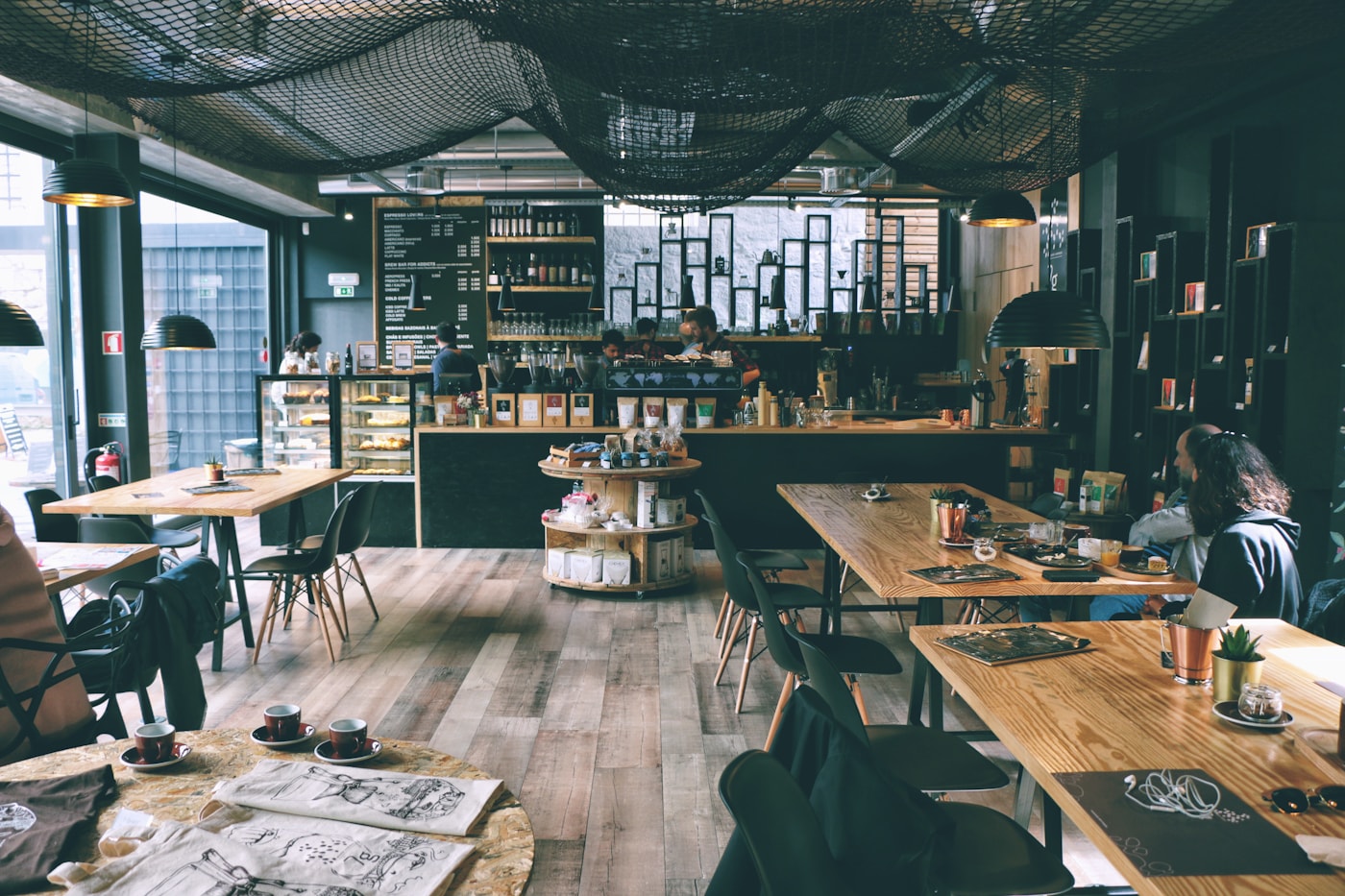
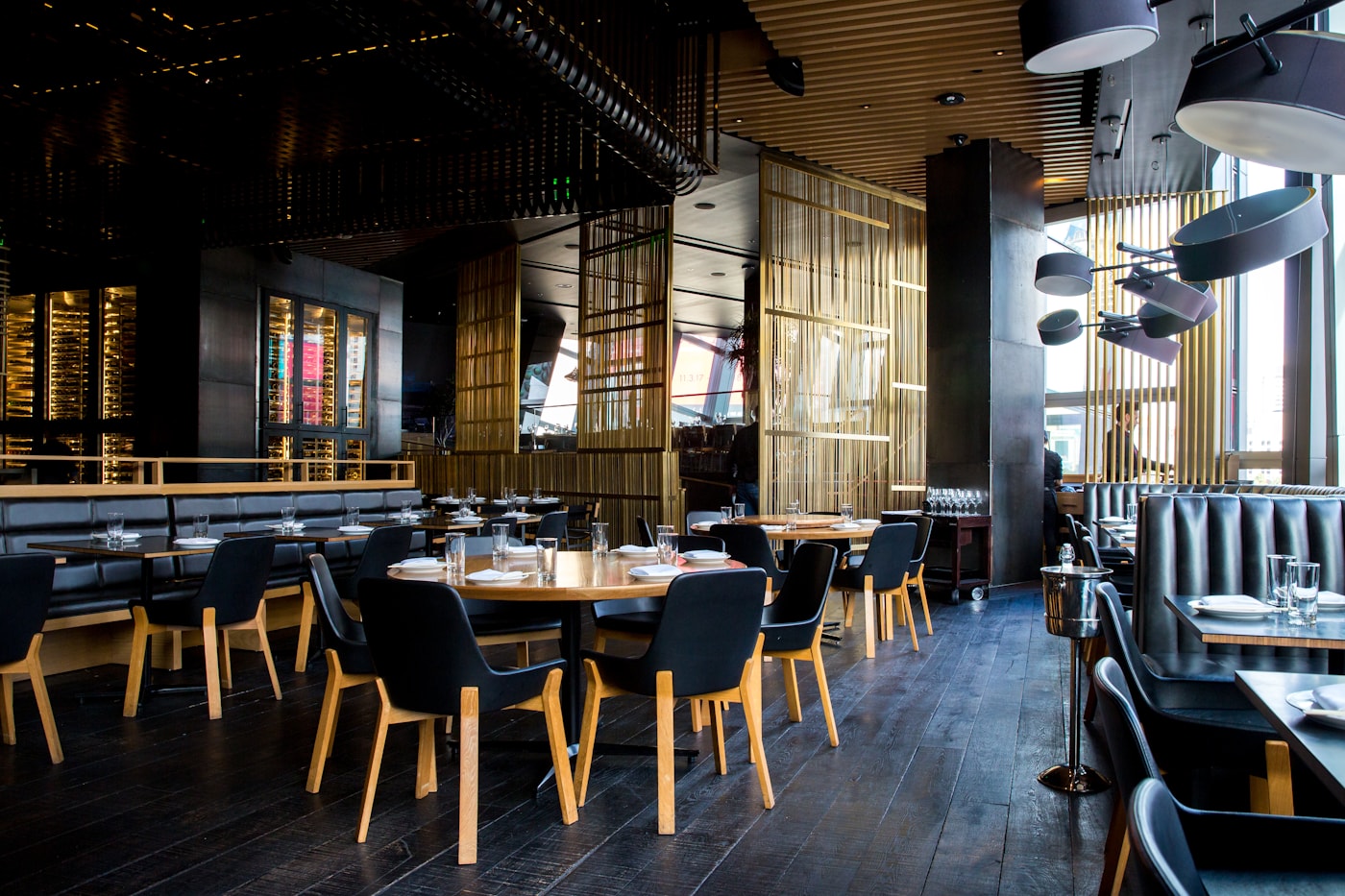
Picture your restaurant without music: something's missing. Ambient sound fills the silences, masks the noise of the dining room, and, above all, sets the pace of the experience. Let's look at how to use it at every service.
Lunch: discretion and efficiency
At lunch, customers are often pressed for time. Music at a moderate volume and a medium tempo supports smooth service without intruding on business conversations. The goal is a presence that's pleasant but unobtrusive.
Dinner: warmth and identity
In the evening, everything changes: people are looking for atmosphere. Warmer genres — jazz, soul, lounge — and a slightly higher volume create intimacy and make the venue feel like a destination, not just a meal.
The tempo of the music follows the rhythm of the dining room: slower in the evening, brisker at peak times.
Matching your cuisine
Your soundtrack should reflect your identity: an osteria, a fine-dining restaurant, and a contemporary pizzeria tell different stories, through sound as well. Choose genres that speak the language of your menu.
The practical (and legal) side
To switch the atmosphere between lunch and dinner, you need to be able to do it in an instant, maybe from your phone while you're on the floor. And to be sure everything is in order. Music Republic offers ready-made moods for every service and remote control, with the license included: no SIAE, no worries. Learn more about the impact of music in “Does music make customers spend more?”